After the leak is found
Water Leak Repair
Finding a leak and fixing it are different jobs. Here is how the steps after detection usually fit together, so you know what to ask and what to expect.
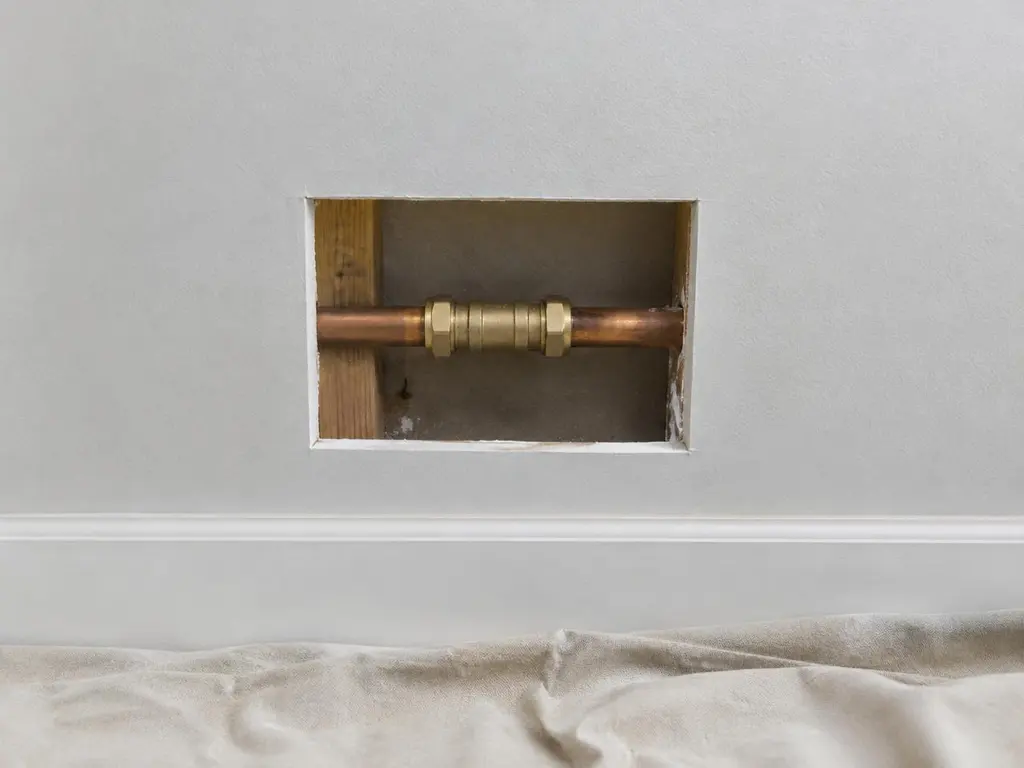
1. Finding the source
Repair should be based on a located source, not a guess. If the leak is hidden — inside a wall, beneath a slab or underground — that is what leak detection is for. If the leak is already plainly visible, such as a dripping shut-off valve or a split supply hose, you may not need a separate locating service at all; it may be a straightforward repair.
2. Agreeing scope and access
Before any opening is made, you should understand:
- Where access will be made and roughly how large it will be
- Whether a spot repair, a section replacement or a reroute is proposed, and why
- What is included and excluded — especially drywall, flooring, tile and landscaping
- Whether any permit may be relevant for the proposed work, which the contractor should explain
For leaks under concrete, options are discussed on the slab leak detection page; for buried service lines, see underground water leaks.
3. Repairing suitable pipe or fittings
A localized repair replaces or couples the failed section of pipe or the faulty fitting, using materials compatible with the existing system. Where the surrounding pipe is in poor condition or the leak is in a hard-to-reach location, replacing a longer run or rerouting may be the more practical choice. Which approach makes sense depends on what is found once the area is open.
4. Testing the repair
After repair, the line should be put back under pressure and checked — visually and, where suitable, with a pressure or meter observation — to confirm the repaired section holds before walls or floors are closed up.
5. Restoring surfaces — a separate step
Patching drywall, replacing flooring, re-laying pavers or reseeding lawn is usually separate from plumbing repair and may involve other trades. Damp materials may also need drying before they are closed in. Ask for restoration to be described separately so nothing is assumed.
Who quotes the repair. Repairs are performed and quoted by the independent contractor you're connected with, on-site and before any work begins. Any warranty terms come from that contractor in writing.
Questions worth asking
- Is this a spot repair, a replacement section or a reroute?
- How will the repair be tested?
- What does the written quote exclude?
- Who restores the finished surfaces, and when?
The leak detection cost factors guide covers how detection, access, repair and restoration are typically priced as separate items.